

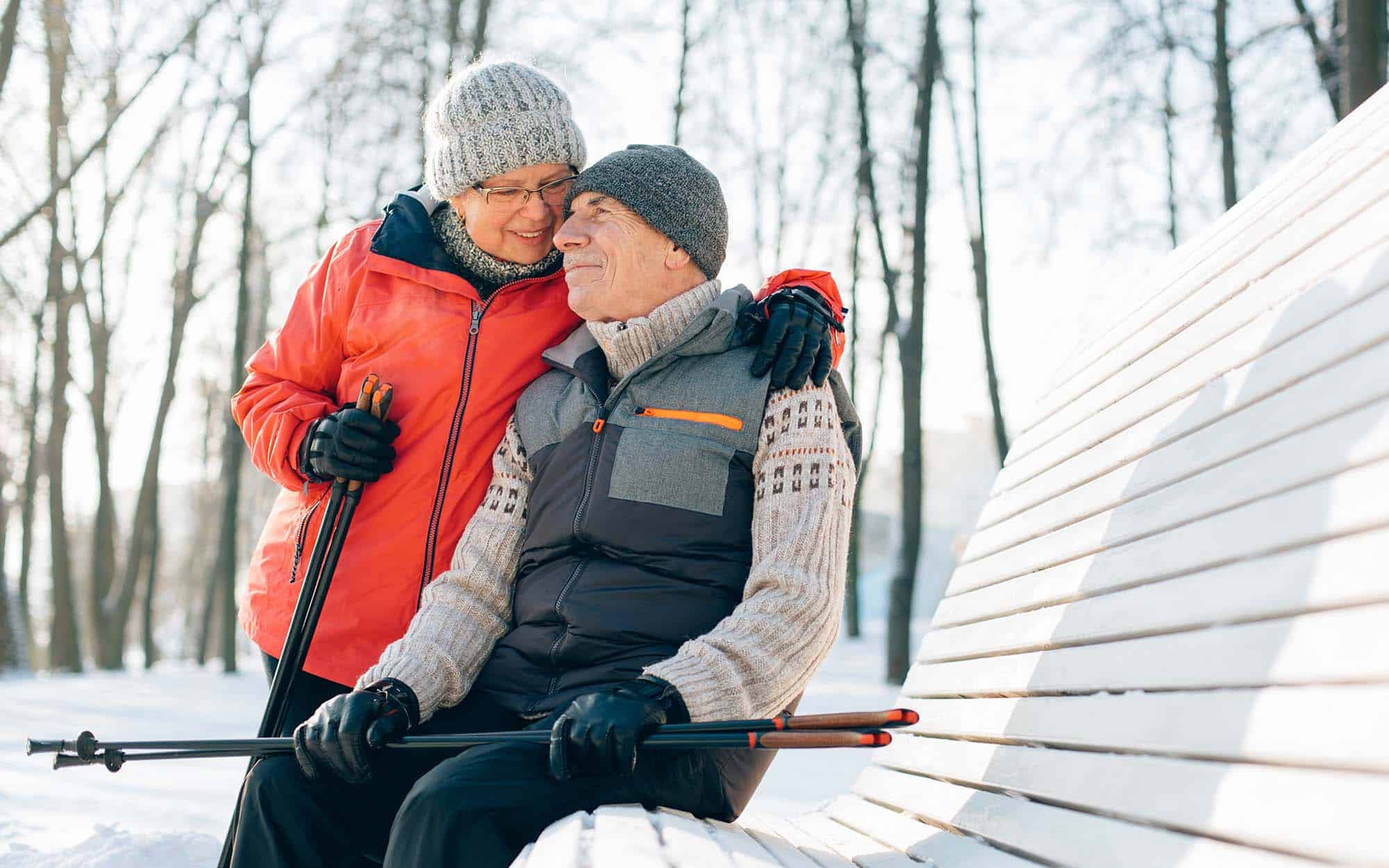
Winter weather offers a break from the southern heat, but this time of year is not safe for everyone. Cold temperatures present physical and mental challenges for senior citizens throughout the winter months. This article looks at a few of the most common winter health problems for the elderly, winter health tips, and how healthcare services provide safe home care.
Health Problems for Seniors in the Winter
Health problems and injuries related to weather drastically increase in the winter months for elderly people. It is vital for seniors and their healthcare providers to understand the dangers they face this time of year. Below are a few of the most common physical and mental health problems:
Heart Attacks and High Blood Pressure
Because the cold raises blood pressure and increases strain on the heart, seniors are at risk for heart attacks and high blood pressure in the winter months.
Joint Pain
Unlike other diagnoses, cold weather can affect joint pain for the elderly whether or not they deal with arthritis. Layers of clothing and exercise are recommended throughout this time of year.
Hypothermia
Hypothermia is when your body temperature becomes too low. Elderly people become hypothermic when their body temperature reaches or drops below 95°F, which can happen outside or even in cold rooms. Healthcare providers should be conscious about keeping the elderly warm, limiting time outdoors, and staying in warmer rooms; otherwise, hypothermia can cause heart attacks or kidney problems.
Existing Illness
Certain illnesses and diagnoses will make the winter months even more difficult for seniors, including:
- Lung and Immune System Issues
- Thyroid Problems
- Memory Loss
- Arthritis
Mental Health
Cold air, less sunlight, and social separation this time of year dramatically impact seniors’ mental health. Engaging in activities, spending quality time with family, and spending warmer periods outside can alleviate the winter blues.
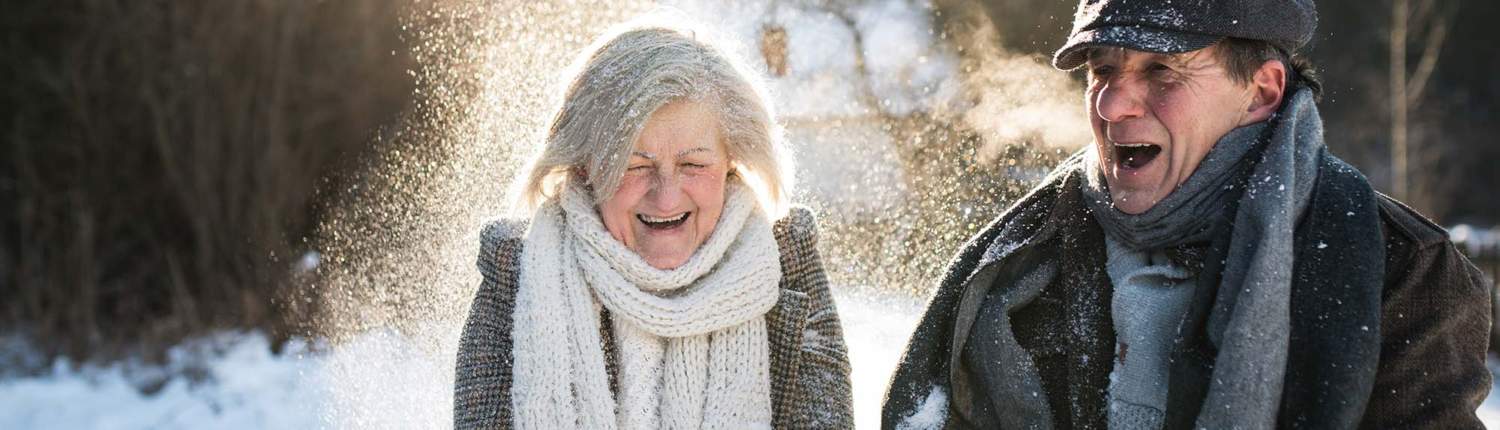
Winter Safety Tips for Seniors
Now that we’ve walked through common health issues in the winter, let’s take a look at the best cold weather safety tips for seniors:
- Set your home temperature to at least 68 to 70°F at all times. If you want to save on heating this holiday season, close off rooms, basements, and any exposed areas with drafts. Remember, hypothermia is a possibility for seniors even indoors.
- Ask your family, friends, or neighbors for routine checks throughout the winter months. Besides health status checks, the friendly faces of your loved ones can ease the winter blues.
- Prepare a plan in case of a power outage. Designate a place to stay and have warm transportation ready for the trip.
- Wearing extra layers or long underwear under your pajamas is ideal for sleeping. Electric blankets are handy throughout the day on the couch.
- Avoiding alcohol is recommended throughout the winter, as it lowers body heat quickly.
Winter Health Tips for Older Adults
The senior population is not the only group that experiences health problems in the winter. By taking precautions, anyone over 50 can stay healthy and avoid minor issues this winter.
Winter Conditions
Older adults can still be exposed to hypothermia or frostbite in the winter months. While extra layers are always a plus, older adults should consistently wear hats, mittens, scarves, and boots.
Ask your doctor at your next checkup if you should be shoveling snow this upcoming winter. Clearing snowfall can be particularly dangerous if you have heart complications or osteoporosis. The added stress of shoveling on your body could cause or increase arthritis at an older age.
Driving
The most common age group for accidents is seniors over 65; however, older adults are still involved in car accidents at higher rates. These are the best cold weather safety tips for driving this winter:
- Winterize your vehicle
- Charge your phone
- Avoid driving in icy conditions
- Stock up on first aid kits and blankets
- Store flashlights, ice scrapers, and shovels
- Pack water, food, and maps
Need help this winter? Discover your options at MDC Healthcare.Contact Us
Keep Elderly Warm With a Local Healthcare Provider
We want the best care possible for our elderly family members. When taking care of yourself and your elderly loved one becomes too much, look no further than senior companion care.
With a healthcare provider like MDC, companion care gives seniors short- or long-term daily assistance. Along with health checks, MDC Healthcare offers emotional and mental support.
Home care services also help seniors with housekeeping, grocery shopping, and meal preparation. MDC Healthcare offers two types of senior companion care programs:
Respite Care
Are you involved in the day-to-day care of a senior? Respite care services offer short-term relief with flexible time ranges. MDC’s respite care provides the best quality of stand-in service, whether it’s just a couple mornings or an extended vacation.
Personal Care
MDC’s personal care service provides a high-quality home life for seniors with injuries or illnesses. Personal care is the best option for a senior who wants to remain in their home despite health problems. With support for basic day-to-day activities like bathing, feeding, and dressing, personal care keeps you and your loved ones covered every step of the way.
Culture-Based Care
MDC Healthcare is proud to offer homecare professionals of different races, religions, and ethnicities. With speakers of more than 15 languages, MDC can provide the best cultural fit for your home environment.
Stay Healthy With MDC Healthcare
This upcoming winter, provide the best quality of care for the beloved seniors in your family with MDC Healthcare. Schedule a consultation today.